

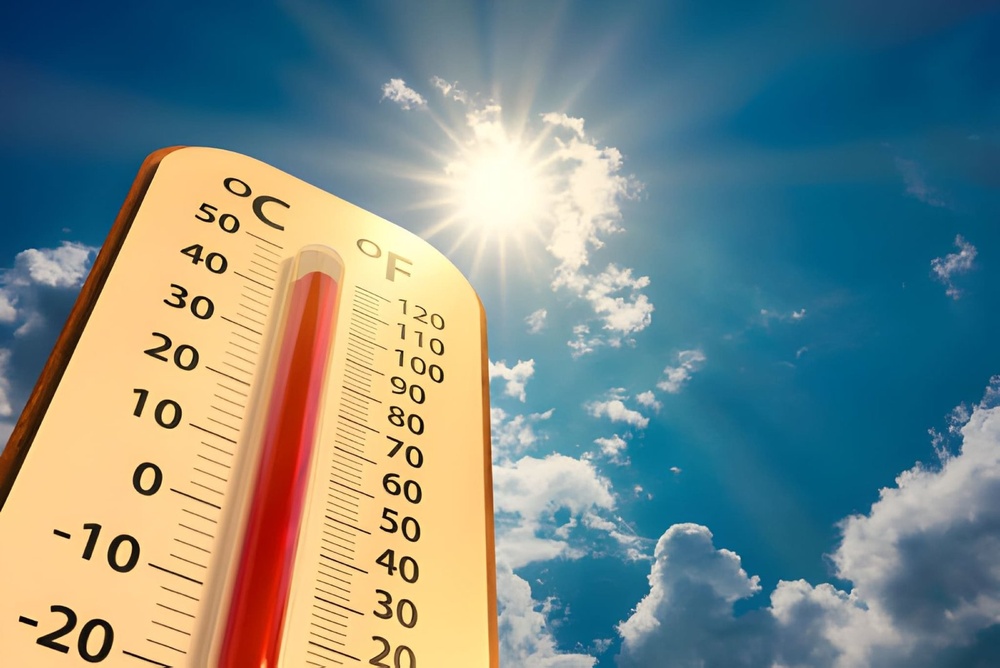

Summer 2026 is shaping up to be one of the hottest on record, with extreme heat expected to impact nearly two-thirds of the United States. Whether you’re staying home this summer or escaping to cooler destinations, you can keep your home comfortable and lower your AC costs by combining passive cooling techniques and energy-saving habits.
The Ideal Thermostat Temperature
Running your AC at full power all day can increase energy costs and wear on your system, while turning it off completely can lead to excess heat, humidity, and even mold growth. Finding the right thermostat setting can help keep your home comfortable and energy efficient.
- When leaving your house vacant over the summer, set your thermostat no higher than 85 degrees. If you’re leaving pets, delicate plants, artwork, or sensitive electronics behind, consider raising it just 5 to 10 degrees above your normal setting.
- When you’re home, the U.S. Department of Energy recommends setting your thermostat to 78 degrees during the summer. If you have infants or individuals with health issues, 76 degrees may be more comfortable. With ceiling or standing fans, you may be able to raise it to around 82 degrees while you sleep.
Sealing Air Leaks Around Windows And Doors
Sealing air leaks is your next line of defense against rising energy bills. Start by running your hand along window frames and door edges to detect drafts, then apply window caulking techniques using silicone-based sealants that flex with temperature changes. For the pesky gap between your door’s bottom edge and threshold, consider installing a door sweep or draft stopper.
Lower Cooling Costs With Double Pane And Low-E Windows
If you’re replacing your windows, consider double-pane or Low-E glass options. Together, they can reduce energy loss by 30% to 50% compared to traditional single-pane windows by improving insulation and reflecting heat while still allowing natural light in.
Energy Savings With Blackout Curtains
About 76% of sunlight that hits your windows turns into heat inside your home. With AC alone accounting for nearly 12% of total home energy costs, those expenses can soar even higher during a heat dome. Blackout and thermal curtains can block much of that heat, helping reduce AC use by up to 20% while also improving insulation during cooler months.
Consider Light-Emitting Diode (LED) Lighting
Traditional bulbs like incandescent and halogen bulbs contribute more to indoor heat than most homeowners realize. Around 90% to 98% of the energy they use is released as heat, not light. In contrast, 95% of electricity supplied to an LED is used to produce light, while only 5% is released as heat.
Put Off Your Chores
Beating the heat this summer may require a temporary adjustment to your daily routine or “chores.” Avoid running the dishwasher, dryer, oven, and other heat-producing appliances during the hottest part of the day. Instead, cook with a microwave, air fryer, slow cooker, or grill outside to keep your home cooler and reduce the strain on your AC.
Don’t Forget About Your Ceiling Fan
Ceiling fans are energy efficient, using the same amount of electricity as a 100-watt light bulb. Although it doesn’t cool air, the right direction can make a room feel much cooler than it is. During the summer, fans should rotate counterclockwise to push air downward, creating a cooling breeze effect. A high-speed, counterclockwise ceiling fan can allow you to raise your thermostat setting by up to 4 degrees and still be comfortable.
The hottest days of summer don’t have to mean the highest energy bills. We believe smarter decisions, whether at home or in your financial plan, can help support your long-term goals. Contact us today to learn how thoughtful planning can help you make the most out of every season.
Sources:
https://www.bhg.com/thermostat-temperature-heat-wave-11760917
https://advanced-air.com/help-guides/tips/best-thermostat-temperature-when-away
https://sleepoutcurtains.com/blogs/blackout-experts/are-blackout-curtains-worth-it
https://www.evergy.com/ways-to-save/resources-link/energy-tips/spring-and-summer-energy-saving-tips
https://www.scienceabc.com/innovation/why-are-led-lights-so-energy-efficient


